
Introduction
Phone calls are one of the easiest ways to communicate with other people, businesses, and service providers. However, not every incoming call is trustworthy. Scam phone calls have become a common problem for mobile users, with fraudsters pretending to represent banks, telecom companies, government departments, delivery services, and other trusted organizations.
These callers often use convincing stories to gain someone’s attention and trust. They may claim that an account has a security problem, a payment is pending, a prize has been won, or personal information needs urgent verification. Their main purpose is often to obtain sensitive information, collect money, or gain unauthorized access to accounts.
Learning How to Identify Scam Phone Calls is an important part of protecting your personal information and financial security. When you understand common warning signs, you can recognize suspicious communication and avoid making decisions under pressure.
This guide explains how phone scams work, which warning signs to watch for, how to handle suspicious callers, and what steps to take if you receive a fraudulent call. It also covers smartphone security features, common scam examples, and practical prevention tips for individuals and families.
What Are Scam Phone Calls?
Scam phone calls are fraudulent calls made by people who attempt to deceive recipients for personal, financial, or other unauthorized benefits.
Scammers may pretend to be representatives of trusted companies or organizations. They sometimes use personal information, professional language, and urgent messages to make their stories appear genuine.
Unlike ordinary marketing calls, scam calls are intended to manipulate the recipient into taking an action that may put their money, information, or accounts at risk.
Common examples include:
- Fake bank security calls.
- Fraudulent telecom account verification calls.
- Calls claiming that someone has won a prize.
- Fake technical support calls.
- Suspicious loan and investment offers.
- Calls requesting one-time passwords.
- Impersonation of government representatives.
- Fake delivery or payment confirmation calls.
Not every unexpected call is a scam. Genuine businesses and service providers may also contact customers. The important thing is to verify the caller before sharing confidential information or making payments.
Why Is It Important to Identify Scam Phone Calls?
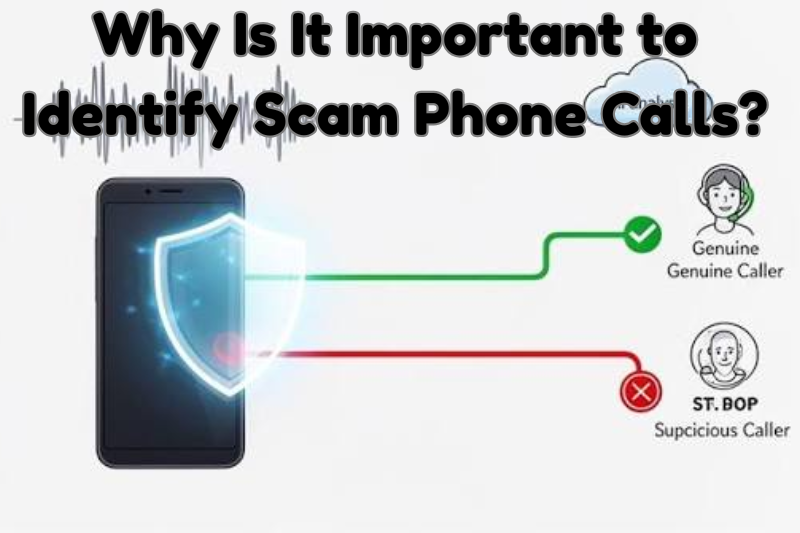
Recognizing fraudulent calls early can help prevent financial loss, privacy problems, and unauthorized account access.
Here are some important reasons to develop this skill.
1. Protect Your Financial Information
Scammers may pretend to represent banks or financial institutions and request confidential account details.
Identifying suspicious calls can help you avoid sharing information that could put your finances at risk.
2. Prevent Identity Misuse
Some callers attempt to collect personal information such as identification details, addresses, dates of birth, or account information.
This information may be misused in further fraudulent activities.
3. Protect Online Accounts
Fraudsters may request verification codes or passwords to access accounts connected to your phone number.
Recognizing these requests as warning signs can help protect your email, banking, and social media accounts.
4. Avoid Unnecessary Payments
Fake callers may demand money for supposed taxes, delivery charges, account fees, or emergency situations.
Verifying the claim before paying can help prevent avoidable financial problems.
5. Protect Family Members
Older adults, young people, and individuals unfamiliar with digital scams may find it difficult to recognize fraudulent communication.
Sharing awareness can help everyone make safer decisions.
15 Warning Signs of Scam Phone Calls
Scam calls can sound convincing, but they often contain warning signs. Understanding these signs can help you recognize suspicious behavior before taking action.
1. The Caller Creates a Sense of Urgency
One of the most common warning signs is pressure to act immediately.
A caller may claim that your bank account will be blocked, your mobile service will stop, or an important opportunity will disappear unless you respond immediately.
The purpose of this pressure is to prevent you from thinking carefully or verifying the information.
What to do: Stay calm, end the call if necessary, and contact the organization independently through an official channel.
2. The Caller Requests Your OTP
A one-time password (OTP) is used to verify an account or approve a specific action.
Scammers may pretend to be customer support representatives and ask you to share a verification code.
Never disclose an OTP to someone who contacts you unexpectedly. Keep verification codes private, even if the caller claims to be from a trusted organization.
3. The Caller Asks for Banking Details
Be careful if someone unexpectedly requests your bank password, PIN, card security code, or online banking credentials.
A genuine-looking caller should not be trusted simply because they know your name or mobile number.
What to do: Do not share financial credentials. Contact your bank through its official customer service channel if you need to verify a request.
4. You Receive an Unexpected Prize Announcement
Some scam calls claim that you have won a lottery, expensive phone, cash reward, or promotional gift.
The caller may then request a payment or personal information to release the supposed prize.
Be cautious of rewards you never entered a competition to win.
5. The Caller Refuses Independent Verification
Fraudulent callers may discourage you from contacting the organization directly.
They may insist that you must complete the process during the current call.
A trustworthy request should allow you to verify its authenticity.
What to do: End the conversation and contact the organization using a number or communication method you obtained independently.
6. The Caller Requests Remote Access to Your Device
Some fraudsters pretend to provide technical support and ask people to install applications or grant remote access to their devices.
This can create serious privacy and account security risks.
Never grant remote access to an unknown caller. Contact the relevant company through its official support process if you genuinely need technical assistance.
7. The Caller Demands Immediate Payment
Unexpected payment demands deserve careful attention.
A scammer may request money through unusual payment methods or insist that a fee must be paid immediately.
Do not make payments based only on a phone conversation. Verify the claim independently.
8. The Caller Uses Threatening Language
Some fraudulent callers threaten legal action, account suspension, penalties, or other serious consequences.
They may use fear to convince you to follow their instructions.
Legitimate organizations generally have formal procedures for communicating important account or legal matters.
Avoid making payments or sharing information because of threats made during an unexpected call.
9. The Offer Sounds Too Good to Be True
Unrealistic offers are another common warning sign.
A caller may promise guaranteed profits, free products, large cash rewards, or special benefits without a reasonable explanation.
Be careful when someone promises something valuable in exchange for personal information or an upfront payment.
10. The Caller Requests Personal Identification Information
Some callers ask for identity numbers, dates of birth, home addresses, or other personal details.
These details may be used to impersonate someone or support further fraud attempts.
Do not provide sensitive information unless you have verified the organization’s identity and the reason for the request.
11. The Caller Uses Unprofessional or Confusing Explanations
Some scammers provide unclear explanations about why they are calling.
They may change their story, avoid answering direct questions, or use complicated language to confuse the recipient.
If the explanation does not make sense, do not continue sharing information.
12. The Caller Claims to Represent a Government Department
Fraudsters sometimes impersonate government officials or public service representatives.
They may claim that your identity documents, taxes, or legal records require immediate attention.
Do not assume that a caller is genuine because they mention an official department or use formal language.
Verify the claim through the department’s official communication channels.
13. The Caller Knows Some of Your Personal Details
A caller may already know your name, phone number, or other basic information.
This does not prove that the caller is genuine.
Personal information can sometimes be available through public profiles, previous registrations, or exposed databases.
Always verify the request independently.
14. The Caller Asks You to Keep the Conversation Secret
Some scammers tell recipients not to discuss the call with family members, bank representatives, or other trusted people.
This is a warning sign because it attempts to isolate the recipient from helpful advice.
Take time to discuss unusual requests with someone you trust before making a decision.
15. The Caller Uses an Unusual Payment Method
Be especially careful when a caller asks you to pay through unfamiliar services, gift cards, cryptocurrency, or other unusual methods.
Such requests can make payments difficult to recover.
Verify all payment instructions through the relevant organization’s official channels.
Common Types of Scam Phone Calls
Understanding different phone scam categories can help you recognize suspicious calls more easily.
1. Bank Impersonation Scams
In this type of scam, the caller pretends to represent a bank or financial institution.
They may claim that a transaction is suspicious, your account requires verification, or your card has a problem.
The caller may ask for an OTP, password, PIN, or other confidential information.
Safety tip: End the call and contact your bank through its official customer support number or banking application.
2. Telecom Company Scams
Fraudsters may pretend to work for a mobile network provider.
They may claim that your SIM card needs an urgent update or that your mobile account will be suspended.
Some may request verification codes or personal details.
Safety tip: Verify unexpected account-related calls directly with your mobile provider.
3. Technical Support Scams
Technical support scammers claim that your phone, computer, or online account has a security problem.
They may offer to fix the issue and request remote access or confidential login information.
Safety tip: Contact the technology company independently if you need assistance. Never give an unknown caller control of your device.
4. Government Impersonation Scams
These callers pretend to represent government departments or public authorities.
They may make false claims about taxes, identity documents, fines, or legal problems.
Safety tip: Verify the information through the relevant official department before responding.
5. Fake Job Offer Calls
Some callers promise employment opportunities, high salaries, or guaranteed work without a proper selection process.
They may request registration fees, identity information, or other personal details.
Safety tip: Research the company and verify the job opportunity before providing information or making any payment.
6. Loan and Investment Scams
Fraudulent callers may offer quick loans, guaranteed investment returns, or special financial opportunities.
They may request upfront fees or confidential banking details.
Safety tip: Check the legitimacy of financial services independently and avoid unrealistic promises.
7. Delivery and Courier Scams
A caller may claim that a parcel is waiting for delivery or that an unexpected delivery fee must be paid.
They may ask for personal details or payment information.
Safety tip: Check delivery information through the courier company’s official tracking or customer service system.
8. Family Emergency Scams
Some fraudsters pretend to be relatives or claim that a family member needs urgent financial assistance.
They may try to create panic so the recipient sends money without verification.
Safety tip: Contact the family member directly using a trusted number and confirm the situation.
9. Fake Lottery and Reward Scams
These calls announce unexpected winnings or rewards.
The caller may request processing fees, taxes, or identity information before releasing the supposed prize.
Safety tip: Do not pay to claim an unexpected reward without independently verifying the offer.
10. Robocall Scams
Robocalls use automated recordings to deliver messages to many phone numbers.
Some are legitimate notifications, while others promote fake services or fraudulent offers.
Safety tip: Avoid following suspicious automated instructions and use your phone’s spam filtering features.
How to Verify Whether a Phone Call Is Genuine
If you receive an unexpected call from someone claiming to represent an organization, take time to verify their identity.
Step 1: Ask for the Organization’s Name
Ask which company or department the caller represents.
Listen carefully to their explanation, but remember that anyone can claim to work for a trusted organization.
Step 2: Do Not Share Confidential Information
Avoid giving passwords, OTPs, banking details, or sensitive personal information during an unexpected call.
Step 3: End the Call
If something feels suspicious, you do not need to continue the conversation.
End the call calmly instead of arguing with the caller.
Step 4: Find an Official Contact Method
Use the organization’s official application, account statement, verified website, or previously known customer support number.
Do not rely on a phone number supplied by the suspicious caller.
Step 5: Confirm the Information
Ask the official organization whether the call and request were genuine.
If they cannot confirm the request, do not take the action suggested by the caller.
Step 6: Report Suspicious Activity
If the call appears fraudulent, report it through your mobile provider or the appropriate local reporting authority.
What Should You Never Share During a Phone Call?
Protecting personal information is one of the most important ways to avoid phone scams.
The following information should never be shared with an unexpected caller:
| Information | Why It Should Remain Private |
|---|---|
| OTP or verification code | May be used to approve account actions |
| Banking password | Can expose financial accounts |
| ATM or card PIN | Can compromise payment security |
| Card security code | May be misused in payment fraud |
| Email password | Can expose personal accounts |
| Mobile account password | May allow unauthorized account changes |
| Device passcode | Protects access to your phone |
| Confidential identity details | May be misused for impersonation |
A genuine organization may need to verify your identity through its official procedures. However, you should never disclose confidential authentication codes or passwords to an unexpected caller.
How to Protect Yourself from Scam Phone Calls
Prevention is easier when you develop consistent security habits.
1. Use Spam Call Detection
Many smartphones provide caller identification and spam warning features.
Enable these options to receive alerts about suspected unwanted calls.
2. Block Suspicious Numbers
If a number repeatedly makes unwanted or suspicious calls, use your phone’s blocking feature.
Remember that blocking one number may not stop callers using different numbers.
3. Avoid Sharing Your Phone Number Publicly
Do not publish your personal number unnecessarily on public websites, social media profiles, or discussion forums.
Limit the amount of personal information available to unknown people.
4. Keep Your Phone Updated
Install operating system and application updates through trusted sources.
Updates often include security improvements that help protect your device.
5. Use Strong Account Passwords
Protect your email, mobile carrier, and online accounts with unique passwords.
Enable additional authentication methods where available.
6. Secure Your SIM Card
Enable a SIM PIN if supported and protect your mobile provider account with a strong password.
Ask your provider about additional protections against unauthorized SIM replacement.
7. Do Not Follow Unexpected Payment Instructions
Never send money because an unknown caller claims that an urgent payment is required.
Verify the request independently before making financial decisions.
8. Educate Your Family
Explain common phone scam warning signs to family members.
Encourage them to verify unexpected requests instead of responding under pressure.
How to Identify Scam Phone Calls on Android
Android phones provide several features that can help users identify and manage suspicious calls.
The available options may vary depending on your device manufacturer, Android version, and Phone application.
Enable Caller ID and Spam Protection
Many Android devices support caller identification and spam protection.
To review the settings:
- Open the Phone application.
- Select the settings menu.
- Look for Caller ID and Spam or a similar option.
- Enable available spam identification features.
- Review any additional call-filtering options.
These features may display warnings when an incoming call is suspected to be spam.
Block Suspicious Numbers
If you receive a suspicious call:
- Open the Phone application.
- Select the recent calls section.
- Find the number.
- Open its details.
- Choose the block or report option if available.
This can help reduce repeated calls from the same number.
Review App Permissions
Be careful when installing applications that request access to contacts, phone functions, or personal information.
Only grant permissions that are necessary for the application’s purpose.
How to Identify Scam Phone Calls on iPhone
iPhone users can use built-in calling settings to manage unknown and suspicious callers.
Use Silence Unknown Callers
This feature can silence calls from numbers that are not recognized by your device.
To review the setting:
- Open Settings.
- Select Apps and then Phone on supported iOS versions.
- Find Silence Unknown Callers.
- Review the option and enable it if appropriate.
The exact menu arrangement may vary by iOS version.
Remember that genuine callers who are not saved in your contacts may also be affected.
Block Suspicious Numbers
To block a number:
- Open the Phone application.
- Select Recents.
- Find the number.
- Tap the information icon.
- Choose the option to block the caller.
You can also manage blocked contacts through your iPhone settings.
Use Supported Call Identification Services
Some mobile providers and trusted applications offer call identification features for iPhone.
Review the privacy permissions and reputation of any application before using it.
What to Do If You Accidentally Answer a Scam Call
Answering a suspicious call does not automatically mean your phone or accounts have been compromised.
The important thing is what you do during and after the conversation.
Follow these steps if you realize that the caller may be attempting fraud.
1. End the Conversation
Do not continue speaking with a caller who requests sensitive information or makes suspicious demands.
You can end the call without explaining yourself.
2. Do Not Share More Information
If you have not shared any confidential details, do not provide them simply because the caller continues asking.
3. Block and Report the Number
Use your phone’s available blocking features and report the suspicious call through an appropriate service.
4. Secure Your Accounts if Necessary
If you shared a password or other sensitive information, change the affected credentials using a trusted device.
If you shared banking information, contact your financial institution promptly.
5. Contact Your Mobile Provider
If the caller requested SIM replacement details or you notice unexpected changes to your mobile service, contact your provider through official support.
6. Monitor Your Accounts
Review banking activity, email security alerts, and online account notifications for unfamiliar activity.
7. Report Financial Fraud
If you experience financial loss or unauthorized transactions, contact your bank and the appropriate local authorities.
Keep relevant call records, messages, and transaction information.
How to Protect Older Adults and Family Members from Phone Scams
Phone scams can affect people of all ages. Some individuals may be less familiar with digital fraud methods and may find convincing callers difficult to recognize.
Families can help by developing simple safety habits.
Explain Common Scam Techniques
Discuss fake bank calls, prize announcements, government impersonation, and requests for OTPs.
Encourage Verification
Teach family members to end unexpected calls and contact organizations independently.
Save Important Contacts
Save trusted numbers for banks, mobile providers, family members, and other frequently used services.
Discuss Financial Requests
Encourage family members to verify unexpected payment requests before transferring money.
Make Reporting Easy
Let everyone know they can discuss suspicious calls without feeling embarrassed.
Early reporting can help prevent further problems.
Scam Phone Calls vs. Spam Phone Calls
People often use the terms spam calls and scam calls interchangeably, but they have different meanings.
| Feature | Spam Calls | Scam Calls |
|---|---|---|
| Main purpose | Unwanted marketing or promotions | Deception or fraud |
| Caller behavior | May promote products or services | May impersonate trusted organizations |
| Personal information requests | Not always | Often a warning sign |
| Financial risk | Depends on the call | May involve financial loss |
| Recommended action | Filter, block, or opt out | Verify, avoid sharing details, and report |
Some spam calls are simply unwanted marketing. Scam calls are more serious because they involve deceptive attempts to obtain money or confidential information.
Common Mistakes People Make When Receiving Scam Calls
Even careful mobile users can make mistakes when dealing with unexpected communication.
Trusting Caller ID Too Much
A familiar number or organization name does not always prove that the caller is genuine.
Always verify important requests independently.
Sharing OTPs
Never disclose one-time passwords to unexpected callers.
These codes are intended to protect your account and should remain private.
Acting Under Pressure
Scammers may use urgent language to prevent you from thinking carefully.
Take time to verify every unusual request.
Calling Back Suspicious Numbers
Do not automatically return calls from unfamiliar numbers.
Check the number through a trusted method before calling back.
Ignoring Warning Signs
Repeated requests for money, passwords, or personal details should not be ignored.
End the call and report suspicious behavior.
Installing Untrusted Applications
Do not install applications or grant remote access simply because a caller tells you to.
Only use trusted technical support services.
Why Scam Phone Calls Are Becoming More Convincing
Scammers continue to change their communication methods as technology develops.
Several factors can make fraudulent calls appear more believable.
Caller ID Manipulation
Some callers use misleading caller ID information to make their calls appear to come from familiar or trusted numbers.
This is why caller ID should not be treated as complete proof of identity.
Personal Information Exposure
Information shared publicly or exposed through data incidents may help scammers create more convincing conversations.
They may use basic details to make a call seem genuine.
Automated Calling Technology
Automated systems can contact many people and deliver recorded messages.
These calls may promote fake offers or create a sense of urgency.
AI-Generated Voices
Modern artificial intelligence can produce realistic synthetic voices. In some cases, scammers may misuse this technology to imitate familiar voices.
If someone calls claiming to be a relative and requests urgent financial help, verify the situation using a separate, trusted contact method.
Do not rely only on the voice you hear.
A Simple Checklist for Identifying Scam Phone Calls
Use this checklist whenever you receive an unexpected call:
- Does the caller create unnecessary urgency?
- Are they asking for an OTP or password?
- Are they requesting confidential banking information?
- Are they demanding an unexpected payment?
- Are they threatening account suspension or legal action?
- Are they refusing independent verification?
- Are they asking for remote access to your device?
- Does the offer sound unrealistic?
- Can you verify the caller through an official channel?
If a caller displays one or more serious warning signs, avoid sharing information or making payments until the request has been verified.
Frequently Asked Questions (FAQs)
1. How can I identify scam phone calls?
Look for warning signs such as urgent demands, requests for OTPs, unexpected payment instructions, threats, and refusal to allow independent verification.
2. What should I do if I receive a suspicious phone call?
Stay calm, avoid sharing personal information, end the call if necessary, and verify the caller through an official communication channel.
3. Can scammers steal my information through a phone call?
They may try to trick you into revealing passwords, verification codes, banking details, or personal information. Simply answering an ordinary call does not automatically expose your phone.
4. Should I answer calls from unknown numbers?
You do not need to answer every unfamiliar call. If it is important, the caller may leave a voicemail or contact you through another trusted method.
5. Can a bank ask for my OTP over the phone?
Never disclose an OTP to someone who contacts you unexpectedly. Use your bank’s official application or customer support channel to verify unusual requests.
6. How do I know if a bank call is fake?
Be cautious if the caller requests passwords, PINs, OTPs, or urgent payments. End the call and contact your bank independently.
7. Are scam calls and spam calls the same?
No. Spam calls are generally unwanted promotional or automated calls, while scam calls involve deception intended to obtain money, information, or unauthorized access.
8. Can caller ID be fake?
Yes. Caller ID information can sometimes be manipulated. A displayed phone number should not be the only method used to verify a caller’s identity.
9. What if a caller knows my name?
Knowing your name does not prove that a caller is genuine. Basic personal information may be available through public sources or previous data exposure.
10. Can AI voices be used in phone scams?
Yes. Synthetic voice technology can be misused to imitate familiar voices. Verify unusual requests for money or sensitive information through another trusted communication method.
11. How can I block scam phone calls?
Use your phone’s blocking features, enable spam detection, and ask your mobile provider about available call filtering services.
12. Should I call back a suspicious missed call?
Avoid calling back until you have verified the number. If the call appears important, use an official contact method instead.
13. What should I do if I shared my OTP with a scammer?
Contact the relevant service provider immediately, secure the affected account, change credentials if necessary, and review account activity for unauthorized actions.
14. How can I protect my family from phone scams?
Teach family members not to share OTPs or passwords, verify unexpected requests, and discuss suspicious calls before making payments.
15. Where can I report scam phone calls?
You can report suspicious calls to your mobile network provider and the appropriate telecommunications or cybercrime reporting authority in your country.
Conclusion
Learning How to Identify Scam Phone Calls can help you protect your personal information, financial accounts, and mobile communication. Fraudulent callers often rely on urgency, fear, unrealistic offers, and false identities to convince people to follow their instructions.
The best protection is to stay alert and verify unexpected requests before taking action. Never share OTPs, passwords, banking credentials, or confidential information with an unexpected caller. Use your phone’s spam detection features, block suspicious numbers, and contact organizations through their official communication channels.
Remember that a professional tone, familiar company name, or recognizable phone number does not guarantee that a caller is genuine. By developing careful communication habits and educating family members, you can reduce the risk of phone scams and enjoy safer mobile communication.