
Phone calls are an important part of everyday communication, but not every incoming call is what it appears to be. Some scammers use a technique called phone number spoofing to make their calls look as if they are coming from a different number. The displayed number may appear familiar, local, or even connected to a trusted organization. This can make it difficult for people to recognize suspicious calls. Phone Number Spoofing Scams have become a growing concern for mobile phone users because they can make fraudulent calls look more believable. A scammer might pretend to represent a bank, mobile network provider, government department, delivery company, or another trusted organization. The purpose is often to gain someone’s trust and convince them to share private information or take an unsafe action. Understanding how phone number spoofing works is an important part of mobile privacy and telecom security. Although you cannot always prevent a spoofed call from appearing on your screen, you can learn how to recognize warning signs and respond safely. This guide explains what phone number spoofing is, why scammers use it, how to identify suspicious calls, and which practical steps can help protect your personal information. It also covers smartphone settings, mobile network protection, common mistakes, and frequently asked questions.
What Is Phone Number Spoofing?
Phone number spoofing is a technique in which a caller changes or manipulates the caller ID information displayed on the recipient’s phone. Instead of showing the number actually being used to make the call, the caller may display another number. For example, you might receive a call that appears to come from a local mobile number, a familiar business, or an organization you recognize. However, the displayed number does not necessarily identify the person or system placing the call. Spoofing can be used for different reasons. Some organizations use legitimate caller ID management systems for business communication, while scammers use spoofing to hide their identity or make fraudulent calls appear trustworthy. The important point is that caller ID alone cannot prove who is calling you. If an unfamiliar caller claims to represent a trusted organization, verify their identity independently before sharing information or following instructions.
How Do Phone Number Spoofing Scams Work?
Phone number spoofing scams usually involve misleading caller identification and social engineering. The scammer tries to make the recipient believe that the call is coming from a trusted source. Here is a general explanation of how these scams happen.
1. A Caller Chooses a Misleading Identity
The caller makes the incoming call display a number that may look familiar or trustworthy. It could resemble a local number, a business contact, or another organization. This creates an opportunity for the caller to gain the recipient’s attention.
2. The Phone Displays the Spoofed Number
When the call arrives, the recipient sees the manipulated caller ID information. Because the displayed number looks familiar, the person may be more likely to answer than they would be for a completely unknown number.
3. The Caller Pretends to Be Someone Trusted
After the call is answered, the scammer may claim to represent a bank, mobile network provider, government office, delivery company, or technical support service. They may use professional language and familiar company names to make the conversation sound genuine.
4. The Caller Creates a Reason to Take Action
The caller may claim that there is a problem with an account, a suspicious transaction, a delivery, or a mobile service. Sometimes, the message creates urgency by suggesting that the recipient must act immediately.
5. The Caller Requests Information or Money
The scammer may attempt to obtain personal details, account passwords, one-time verification codes, financial information, or payments. The goal is to benefit from the recipient’s trust rather than provide a genuine service.
Not every spoofed call follows this pattern, but understanding these warning signs can help you recognize suspicious behavior.
Why Do Scammers Use Phone Number Spoofing?
Scammers use phone number spoofing because people often trust familiar-looking phone numbers. A call that appears to come from a recognizable organization may seem more convincing than one from a completely unfamiliar number. Here are some common reasons behind spoofing scams.
1. To Pretend to Be a Bank
A scammer may make a call appear to come from a bank or financial service. The caller might claim that an account requires verification or that suspicious activity has been detected. The purpose may be to obtain banking information or convince the recipient to make an unauthorized payment.
2. To Impersonate Government Departments
Some scammers pretend to represent government offices or public authorities. They may use official-sounding language and create fear by mentioning fines, legal issues, or account problems. Always verify such claims through the relevant department’s official communication channels.
3. To Impersonate Mobile Network Providers
A fraudulent caller may claim to be from a telecom company and discuss SIM card problems, account verification, or service interruptions. Never share your account password or one-time verification codes with an unexpected caller.
4. To Increase the Chances of Answering
People are more likely to answer calls from numbers that look local or familiar. Scammers may use spoofed caller ID information to make their calls appear more recognizable.
5. To Hide Their Actual Identity
Spoofing can make it harder for recipients to identify the source of a call through ordinary caller ID information. This can create confusion and make suspicious callers seem more difficult to recognize.
6. To Conduct Large-Scale Scam Campaigns
Automated calling systems can contact many people. When combined with misleading caller ID information, these campaigns may appear more convincing. Recipients should therefore be cautious even when the displayed number looks familiar.
Common Types of Phone Number Spoofing Scams
Phone number spoofing can appear in several forms. Knowing the common types can help you recognize suspicious calls.
1. Neighbor Spoofing
Neighbor spoofing occurs when a call displays a number that resembles the recipient’s own phone number or comes from the same general area. The goal is to make the call look familiar and encourage the recipient to answer.
For example, a person may receive a call from a number with a similar area code or starting digits. However, this does not prove that the caller lives nearby.
2. Bank Impersonation Scams
In this type of scam, the caller pretends to represent a bank or financial institution. They may claim that an account has been restricted or that a transaction needs immediate verification. The safest approach is to end the call and contact the bank through its officially published customer service number.
3. Government Impersonation Scams
Some callers pretend to represent government departments or official authorities. They may claim that the recipient has an unpaid fee, a legal issue, or an important document requiring attention. Do not make payments or share personal information based only on an unexpected phone call.
4. Telecom Company Impersonation
A scammer may pretend to work for a mobile network provider. They might discuss account security, SIM registration, network problems, or mobile service updates. Contact your actual provider independently if you are unsure about the request.
5. Delivery Service Spoofing
Some fraudulent callers pretend to represent courier or delivery companies. They may claim that a package cannot be delivered without additional information or payment. Check your order through the delivery company’s official communication channels before responding.
6. Technical Support Scams
A caller may claim to represent a technology company or technical support department. They might suggest that your device has a security problem and ask you to install an unfamiliar application. Never provide remote access to your phone or computer to an unverified caller.
7. Prize and Reward Scams
Some spoofed calls announce that the recipient has won a prize, gift, or cash reward. The caller may request personal information or an advance payment to release the supposed reward. Treat unexpected prize announcements carefully, especially when payment is involved.
8. Family Emergency Impersonation
A scammer may pretend to be someone connected to your family or claim to have urgent information about a relative. If a caller makes an unexpected emergency claim, independently contact the family member or another trusted person before taking action.
Warning Signs of Phone Number Spoofing Scams
Recognizing suspicious behavior is more useful than relying only on the number displayed on your screen. Look for the following warning signs.
1. A Familiar Number Makes an Unexpected Request
A call may appear to come from a bank, company, or familiar contact, but the caller asks for sensitive information. Do not assume the call is genuine just because the number looks recognizable.
2. The Caller Creates Urgency
Scammers may claim that your account will be closed, your service will stop, or you will face serious consequences unless you act immediately. Urgency is often used to discourage independent verification.
3. The Caller Requests an OTP
One-time passwords and verification codes help protect accounts. Never share these codes with someone who unexpectedly contacts you, even if they claim to represent a trusted organization.
4. The Caller Asks for Banking Information
Be cautious if someone requests your card details, banking PIN, account password, or other confidential financial information. Contact your bank independently if the caller claims that your account needs attention.
5. The Caller Demands an Unusual Payment
Unexpected requests for gift cards, cryptocurrency, or transfers to unfamiliar accounts are serious warning signs. Do not make payments during an unverified phone conversation.
6. The Caller Refuses Independent Verification
A suspicious caller may discourage you from contacting the organization directly. A genuine organization should not prevent you from verifying its identity through official channels.
7. The Call Contains Threats or Pressure
Some fraudulent callers use aggressive language to make people afraid. End the conversation if the caller threatens you or pressures you into sharing information.
8. The Caller Requests Remote Access
Be careful if someone asks you to install an application or give them control of your device. Do not provide remote access to an unfamiliar person.
15 Practical Ways to Protect Yourself from Phone Number Spoofing Scams
You cannot always control which caller ID appears on your phone, but you can control how you respond to suspicious calls. The following practices can help protect your privacy.
1. Never Trust Caller ID Alone
A displayed number is not reliable proof of the caller’s identity. Even if a call appears to come from a familiar organization, verify the request independently before sharing confidential information.
2. End Suspicious Calls
If the caller makes unusual requests, creates pressure, or behaves suspiciously, end the conversation. You do not need to continue speaking with someone who makes you uncomfortable.
3. Contact Organizations Independently
If a caller claims to represent your bank, telecom provider, or another organization, use its officially published contact information. Do not rely on a phone number provided by the caller.
4. Never Share One-Time Verification Codes
One-time codes are private security information. Do not share them with unknown callers, even if the caller claims that the code is needed to protect your account.
5. Protect Your Banking Information
Keep your banking PIN, passwords, card security codes, and account recovery details private. Banks and other financial organizations should not need you to reveal confidential authentication information during an unexpected call.
6. Enable Spam Call Protection
Use your smartphone’s built-in caller identification and spam detection features. These tools may identify some suspicious numbers and provide warnings before you answer.
7. Block Repeated Suspicious Numbers
If the same number repeatedly makes unwanted calls, use your phone’s blocking feature. Remember that blocking a single number may not prevent calls from other spoofed numbers.
8. Avoid Returning Suspicious Missed Calls
Do not automatically call back every unfamiliar number. Check whether the caller left a message and consider whether you were expecting contact.
9. Limit Public Sharing of Your Phone Number
Avoid posting your personal number publicly on social media profiles, discussion forums, and open websites. Share it only when necessary.
10. Review Application Permissions
Check which applications can access your contacts and other personal information. Remove unnecessary permissions and avoid installing unfamiliar applications.
11. Keep Your Smartphone Updated
Install operating system and security updates through your phone’s official settings. Updates may include improvements to device security and call management features.
12. Use Strong Account Passwords
Protect important accounts with unique passwords. Where supported, use passkeys or an authenticator application for additional account security.
13. Report Suspicious Calls
If you receive repeated fraudulent calls, report them to your mobile network provider or the appropriate authority in your country. Keep basic details such as the displayed number, call time, and nature of the suspicious request.
14. Be Careful with Unexpected Links
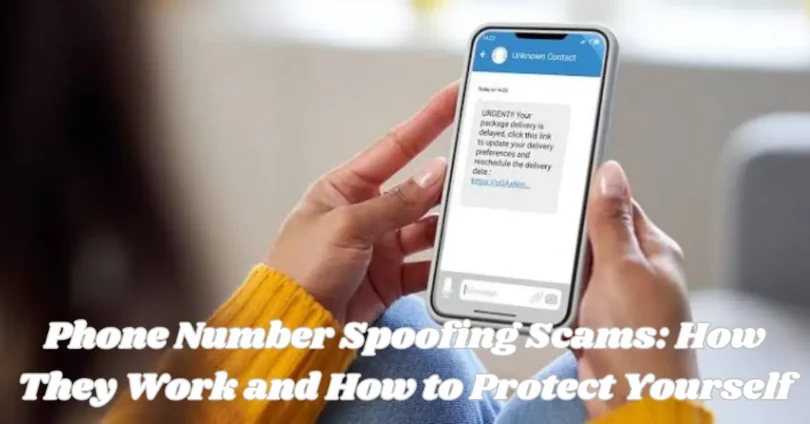
Some spoofed calls are followed by text messages containing suspicious links. Avoid opening unexpected links or entering private information on unfamiliar websites.
15. Educate Your Family
Explain that a familiar-looking phone number does not guarantee that a caller is genuine. Encourage family members to verify unusual requests before sharing information or making payments.
How to Identify a Spoofed Phone Number
Identifying a spoofed number can be difficult because caller ID information may be manipulated. However, you can take several steps to check whether a call is genuine.
Check the Caller Independently
If the caller claims to represent a company, find its official customer service details independently. Contact the organization through a trusted communication channel instead of using the incoming call as proof of identity.
Listen to the Caller Carefully
Pay attention to what the caller requests. A legitimate service conversation should have a clear purpose. Requests for passwords, one-time codes, or unusual payments are warning signs.
Check Your Account Through Official Channels
If the caller mentions a banking transaction, mobile account issue, or service interruption, check your account independently. Do not rely on the caller’s explanation.
Use Caller Identification Features
Some phones and network services provide caller identification or spam warnings. These features can help identify numbers that have been reported by other users, but they cannot guarantee that a caller is genuine.
Look for Inconsistent Information
If the caller claims to represent an organization but cannot explain the reason for the call, treat the conversation cautiously. End the call and verify the information independently.
Important: There is no universally reliable way to prove that a phone call is genuine simply by looking at the displayed number.
How to Stop Phone Number Spoofing Calls on Android
Android devices offer several features that can help users manage suspicious and unwanted calls. The exact options depend on your device manufacturer, Android version, and Phone application.
Enable Caller ID and Spam Protection
Follow these general steps:
- Open the Phone application.
- Tap the three-dot menu.
- Select Settings.
- Find Caller ID and Spam or a similar option.
- Enable available spam identification and filtering features.
Your phone may display warnings when an incoming number is associated with suspected spam activity.
Block Suspicious Numbers
If a particular number repeatedly contacts you:
- Open the Phone application.
- Select Recent Calls.
- Find the number.
- Open its details.
- Select Block or Block Number.
This may prevent ordinary calls from that particular number, but it cannot guarantee protection against all spoofed calls.
Use Do Not Disturb
Do Not Disturb allows you to control which callers can interrupt you. You can allow calls from selected contacts while limiting other incoming calls.
This feature is useful when you want fewer interruptions during work, study, or rest.
Review Application Permissions
Check whether unfamiliar applications have unnecessary access to contacts, phone information, or other personal data. Remove permissions that are not required for an application’s main purpose.
How to Protect Your iPhone from Phone Number Spoofing Scams
iPhone users can use several built-in settings to reduce unwanted calls and improve privacy.
Enable Silence Unknown Callers
This feature can silence calls from numbers that are not recognized by your iPhone.
- Open Settings.
- Select Apps.
- Choose Phone.
- Find Silence Unknown Callers.
- Turn the feature on.
Depending on your iOS version and recognition settings, unfamiliar calls may be silenced and sent to voicemail.
Keep in mind that this feature can also affect legitimate calls from people whose numbers are not saved in your contacts.
Block Suspicious Numbers
To block a number:
- Open the Phone application.
- Select Recents.
- Find the number.
- Tap the information icon.
- Choose Block Caller.
This can reduce repeated calls from the same number.
Use Focus Modes
Focus modes allow you to control which calls can reach you during selected activities. You can allow important contacts while reducing interruptions from other numbers.
Keep Your iPhone Updated
Install available iOS updates through the official settings. Software updates may include improvements to security, privacy, and communication features.
Phone Number Spoofing vs. Caller ID Spoofing
The terms phone number spoofing and caller ID spoofing are often used to describe the same general practice. Caller ID spoofing specifically refers to manipulating the information displayed to the recipient, while phone number spoofing is a common way of describing this misleading caller identification.
| Feature | Genuine Caller ID | Spoofed Caller ID |
|---|---|---|
| Displayed number | Generally represents the calling number | May display a different number |
| Caller identity | Still needs verification when unexpected | May intentionally mislead the recipient |
| Main concern | Identifying unfamiliar callers | Misleading people about the caller’s identity |
| Recommended action | Verify important requests | Verify the caller independently |
Remember that legitimate business calling systems may also display numbers different from an individual employee’s direct phone number. A different displayed number does not automatically prove fraud.
Can Phone Number Spoofing Affect Your Personal Information?
Phone number spoofing itself does not normally give a caller direct access to your photographs, messages, or private files. The bigger concern is how scammers may use a misleading caller ID to gain your trust.
For example, a fraudulent caller may try to convince you to:
- Reveal a password.
- Share a one-time verification code.
- Provide banking information.
- Confirm personal identification details.
- Install an unfamiliar application.
- Make an unexpected payment.
- Visit a suspicious website.
These actions may put your accounts or personal information at risk.
Protecting yourself requires more than blocking phone numbers. You should also maintain strong account security and avoid following instructions from unverified callers.
What Should You Do If You Receive a Spoofed Call?
If you suspect that an incoming call is spoofed, remain calm and avoid taking immediate action.
Step 1: End the Conversation
If the caller makes suspicious requests or creates unnecessary pressure, end the call.
Step 2: Do Not Share Confidential Information
Keep passwords, verification codes, banking PINs, and other private information secure.
Step 3: Verify the Organization
If the caller claims to represent a company or institution, contact it through its official communication channel.
Step 4: Check Your Accounts
If the caller mentioned suspicious activity, check your account independently rather than relying on the phone conversation.
Step 5: Block the Number if Necessary
You can block the displayed number if it repeatedly contacts you with unwanted or suspicious calls.
Step 6: Report the Incident
Contact your mobile network provider or relevant consumer protection authority if the call appears fraudulent.
Step 7: Secure Any Affected Accounts
If you shared sensitive information, change compromised passwords and contact the relevant service provider. If financial information was disclosed, notify your bank through an official channel.
What If a Spoofed Call Appears to Come From Your Own Number?
Receiving a call that appears to come from your own phone number can be confusing. This may happen because someone is using caller ID spoofing to make an outgoing call appear as though it came from your number.
It does not automatically mean that your SIM card or phone has been compromised.
If this happens:
- Do not panic.
- Avoid returning suspicious calls.
- Check whether your mobile service is working normally.
- Contact your network provider if the issue continues.
- Monitor your important accounts for unusual activity.
- Never share verification codes with people who call about the issue.
Your mobile provider may be able to explain whether the displayed number is being spoofed and whether additional protection is available.
The Role of Telecom Providers in Preventing Number Spoofing
Mobile network providers play an important role in reducing fraudulent and misleading calls. They may use network monitoring systems, caller identification services, and other security measures to detect suspicious calling activity.
Some providers offer:
- Spam call alerts.
- Caller identification services.
- Suspicious number reporting.
- Call filtering options.
- Customer support for fraudulent calls.
- Account security features.
Telecom security systems continue to develop as calling technologies change. However, no single protection method can identify every spoofed call.
Users should combine available network services with personal privacy practices and independent verification.
Common Mistakes to Avoid During Spoofed Calls
Some mistakes can make phone number spoofing scams more convincing and increase the risk of sharing personal information.
Trusting a Familiar Number
A recognizable number does not prove that the caller is genuine. Always verify unexpected requests.
Sharing an OTP
Never provide a one-time verification code to an unexpected caller. These codes should remain private.
Making Immediate Payments
Do not send money because an unknown caller creates urgency. Verify payment requests independently.
Following Instructions Without Checking
Avoid installing applications, opening links, or changing account settings because an unfamiliar caller tells you to do so.
Assuming Caller ID Applications Are Always Correct
Caller identification services can provide useful information, but their results are not guaranteed. Use them as an additional warning system rather than complete proof of identity.
Ignoring Account Security
Protect your important accounts with strong passwords and additional authentication methods. Phone call safety is only one part of digital privacy.
Frequently Asked Questions About Phone Number Spoofing Scams
1. What Are Phone Number Spoofing Scams?
Phone number spoofing scams involve fraudulent calls that display misleading caller ID information. Scammers may pretend to represent trusted organizations to obtain personal information or money.
2. How Does Phone Number Spoofing Work?
Spoofing changes the caller ID information displayed on the recipient’s phone. The call may appear to come from a different number than the one actually being used.
3. Can I Identify a Spoofed Number?
It can be difficult to identify spoofing from caller ID alone. Verify the caller’s identity through an independent communication channel before following important instructions.
4. Is Phone Number Spoofing Illegal?
The legal status depends on the country and circumstances. Some caller ID management practices may be legitimate, while spoofing used for fraud, deception, or other prohibited activities may violate applicable laws.
5. Can Scammers Spoof My Own Phone Number?
Yes. A scammer may make an outgoing call appear to come from your number. This does not automatically mean that someone has gained access to your phone or SIM card.
6. Should I Answer a Call From a Familiar Number?
You can answer if you are expecting the call, but remember that caller ID is not absolute proof of identity. Be cautious if the caller requests confidential information or unusual payments.
7. Can Blocking a Spoofed Number Stop the Scammer?
Blocking may stop calls displaying that particular number on supported devices. However, scammers may use different numbers, so blocking alone cannot prevent every spoofed call.
8. Can Phone Number Spoofing Hack My Phone?
A spoofed call does not normally give someone direct access to your phone. However, scammers may use the conversation to trick you into sharing sensitive information or installing unsafe applications.
9. Why Do Scammers Use Local Phone Numbers?
A local-looking number may seem more familiar and encourage people to answer. Scammers can use misleading caller ID information to make calls appear local.
10. What Should I Do If a Spoofed Caller Claims to Be From My Bank?
End the call and contact your bank through its officially published customer service number or trusted banking application. Never share passwords, PINs, or verification codes.
11. Are Caller ID Applications Reliable?
Caller ID applications can identify some businesses and numbers reported as suspicious. However, they may contain outdated or incorrect information and cannot guarantee that a caller is genuine.
12. Can My Mobile Network Provider Stop Number Spoofing?
Some providers offer call filtering, spam alerts, and network-level security services. The available protection depends on your provider and country.
13. What Is Neighbor Spoofing?
Neighbor spoofing is a type of caller ID manipulation in which a call displays a number resembling the recipient’s own number or local area code.
14. What If I Accidentally Share Information With a Spoofed Caller?
Secure the affected account immediately. Change compromised passwords, contact your bank if financial details were shared, and report the incident to the relevant service provider.
15. How Can I Protect My Family From Phone Number Spoofing Scams?
Teach family members not to trust caller ID alone, avoid sharing verification codes, verify unexpected requests independently, and report suspicious calls.
Final Thoughts
Phone number spoofing can make suspicious calls appear more trustworthy than they really are. A caller may use a familiar-looking number or pretend to represent a bank, government department, mobile network provider, or another organization. Understanding Phone Number Spoofing Scams can help you recognize misleading calls and make safer decisions. Remember that caller ID is not guaranteed proof of identity, and even a familiar number should not be trusted automatically. Use your smartphone’s spam protection features, block repeated unwanted callers, keep your device updated, and protect sensitive account information. Most importantly, verify unexpected requests through official communication channels before sharing personal details or making payments. With careful habits and basic telecom security awareness, you can reduce the risks associated with spoofed calls and protect your personal information.