Your phone buzzes with a message: your parcel is held at customs, your bank account is locked, or you have won a prize you never entered for. These spam text messages are no longer just an annoyance — most are scams designed to steal money, passwords or personal details. The good news is that nearly all of them share the same warning signs, and once you know how to spot, block and report them, they lose most of their power. This guide walks through each step in plain language.
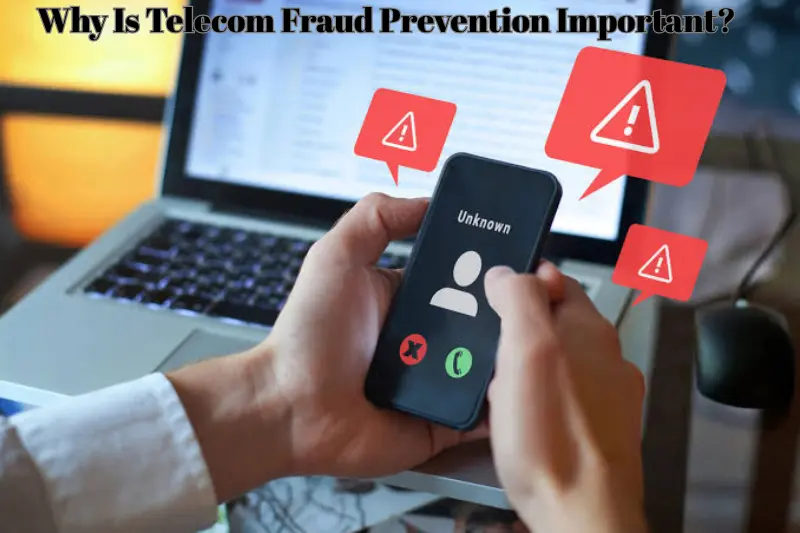
Why Spam Text Messages Are Dangerous
A spam call wastes your time; a spam text can quietly empty an account. Fraud texts carry links to fake websites that imitate banks, delivery companies and government services with frightening accuracy. Entering your details on one of those pages hands criminals everything they need — card numbers, one-time codes, identity documents. Others push you to reply, call a premium number, or install an app that spies on the phone. Because texts feel personal and urgent, people act on them faster than they would on an email, which is exactly why criminals prefer them.
The Warning Signs Almost Every Scam Text Shares
Learn these patterns and most scams become obvious at a glance. First, urgency: real banks rarely demand instant action by text, while scams always insist you act now. Second, links that look slightly wrong — extra words, misspellings or strange domains instead of the company’s real address. Third, unexpected contact about parcels, refunds, prizes or fines you know nothing about. Fourth, requests for codes, PINs or passwords; no legitimate organisation asks for these by message. Finally, sloppy details — odd greetings like “Dear customer”, strange formatting, or a sender number that changes between messages in the same conversation.
What To Do the Moment a Suspicious Text Arrives
The safest response is no response. Do not tap the link, do not reply, and do not call any number in the message. If the message claims to be from your bank or a delivery firm, contact that company through its official app or the number printed on its real website or your bank card — never through details supplied by the text itself. Take a screenshot if you may need evidence, then delete the message. If you already tapped a link and entered details, act quickly: change the affected passwords from a safe device, enable two-factor authentication, and call your bank to flag possible fraud.
How to Block Spam Texts on Your Phone
Both major phone systems include blocking tools. On Android, open the conversation in your messages app, tap the menu, and choose block and report spam — the report helps improve filtering for everyone. On iPhone, open the message, tap the sender’s number at the top, then info and “Block this Caller”; messages from unknown senders can also be filtered into a separate folder in settings. Blocking a single number will not end all spam, because criminals rotate numbers constantly, but it silences repeat offenders and trains the filters. These steps pair well with the call-side defences in our guide on how to stop spam calls.
Use Your Carrier’s and Country’s Reporting Tools
Reporting does more than blocking: it feeds the systems that shut scam campaigns down. In many countries you can forward a spam text to a short reporting number (such as 7726, which spells SPAM) free of charge. Carriers and regulators use these reports to identify and block sending networks. Many messaging apps also include a built-in “report spam” option that asks whether you want to share the message with your carrier — say yes. Every report slightly raises the cost of running a scam, and campaigns die when they stop being profitable.
Reduce the Spam You Receive in the First Place
Your number leaks in predictable ways: loyalty forms, prize draws, public social profiles and old data breaches. Be stingy with it — ask why a business needs your mobile number before handing it over, and skip optional phone fields on forms. Register your number on your country’s do-not-call or anti-spam list where one exists. Be careful with apps that demand access to your contacts, since address books are a major source of fresh numbers for spammers. A second number or an eSIM for shopping and sign-ups keeps your main number — the one your bank knows — much cleaner.
Protect Older Relatives and Children
Scammers deliberately target people who trust official-looking messages. Set up the protections on your family’s phones for them: enable spam filtering, block unknown senders where the phone allows it, and agree on one family rule — nobody acts on a money or password message without checking with another person first. A two-minute conversation about the warning signs above protects better than any app, because the final defence is always the person reading the message.
Know the Names: Smishing and Its Relatives
Security experts call text-message fraud “smishing” — phishing by SMS. Its relatives work the same way through other channels: “vishing” uses voice calls, often with a spoofed number that looks like your bank, while phishing emails imitate login pages in your inbox. The channel changes, but the trick never does: create urgency, imitate a trusted name, and push you to act before you think. Recognising the pattern once protects you on every channel, which is why the warning signs in this guide are worth sharing with your whole household.
A Note for Businesses That Send Texts
Legitimate companies make the problem worse when their real messages look like scams — short links, vague sender names and surprise payment requests train customers to either trust everything or ignore everything. If your business sends texts, use a consistent sender name, link only to your real domain, and tell customers exactly what your messages will and will never ask for. Clear, predictable communication is a competitive advantage: your genuine messages get believed precisely because they look nothing like fraud.
The Bottom Line
Spam text messages succeed through urgency and habit. Slow down, check the warning signs, never use the links or numbers inside the message, and block and report every scam that reaches you. Add a little care about where your number goes, and the flood slows to a trickle — while the scams that do arrive become easy to recognise and harmless to ignore.