
Introduction
Telecommunication services have become an essential part of everyday life. People use mobile phones, internet connections, text messages, and telephone networks to communicate, manage finances, access online services, and stay connected with family and friends. However, as telecom services become more important, fraud involving mobile numbers, phone calls, SIM cards, and network accounts has also become a growing concern.
Telecom fraud can affect ordinary mobile users, businesses, and organizations. Fraudsters may use fake calls, misleading text messages, unauthorized SIM replacement requests, impersonation, and other deceptive methods to obtain personal information or misuse mobile accounts. These activities can lead to financial losses, privacy concerns, and unauthorized access to online services.
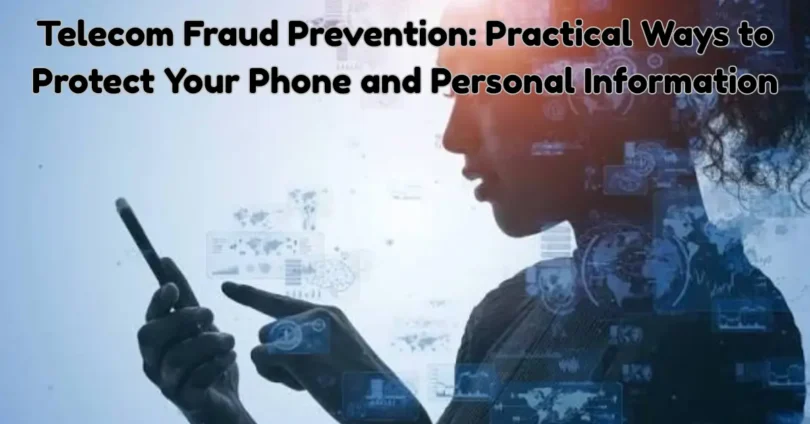
Telecom Fraud Prevention involves understanding common threats and taking practical steps to protect your mobile number, communication services, and personal information. It also requires awareness, responsible mobile usage, and cooperation between customers and telecom service providers.
In this article, you will learn about different types of telecom fraud, warning signs, prevention methods, mobile account security, and the steps to take if you suspect fraudulent activity. Whether you are an individual mobile user or a business owner, these practical recommendations can help you build safer communication habits.
What Is Telecom Fraud Prevention?
Telecom fraud prevention refers to the practices and security measures used to identify, reduce, and respond to fraudulent activities involving telephone and mobile communication services.
Telecom fraud can involve unauthorized use of phone numbers, false customer support calls, SIM swap attempts, fake mobile offers, account manipulation, and misuse of communication services.
Prevention focuses on reducing opportunities for fraud before they cause damage. It includes protecting account credentials, checking suspicious messages, securing SIM cards, monitoring mobile bills, and verifying unexpected requests.
Telecom fraud prevention involves three main areas:
- Customer awareness: Helping people recognize suspicious calls, messages, and account activities.
- Account security: Protecting mobile numbers, SIM cards, passwords, and personal information.
- Provider protection: Using appropriate identity verification, account monitoring, and fraud detection procedures.
These measures work together to create a safer telecommunications environment.
Why Is Telecom Fraud Prevention Important?
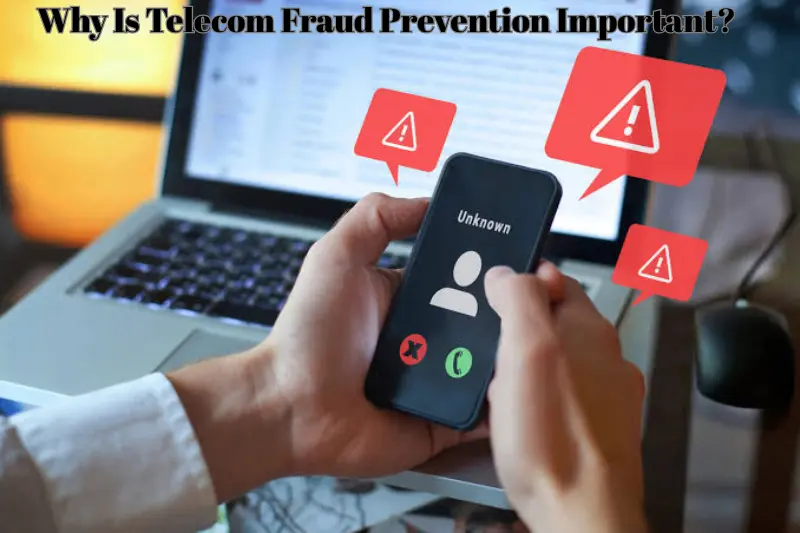
Telecom fraud can affect more than your ability to make calls or send messages. Your mobile number may also be connected to banking services, email accounts, social media profiles, and identity verification systems.
Taking preventive steps can help protect different areas of your digital life.
1. Protects Personal Information
Your mobile number may be associated with your name, address, online accounts, and other personal details. Fraud prevention helps reduce the risk of unauthorized access to this information.
2. Reduces Financial Risks
Some telecom fraud schemes involve fake payment requests, unauthorized account changes, or attempts to misuse banking verification systems. Recognizing suspicious activity can help prevent financial problems.
3. Protects Mobile Accounts
Your mobile carrier account controls important services connected to your phone number. Strong account security makes unauthorized changes more difficult.
4. Improves Communication Safety
Fraudulent calls and messages can create confusion and interrupt normal communication. Awareness helps users identify suspicious contact and avoid unnecessary risks.
5. Builds Trust in Telecom Services
Customers are more confident using mobile and internet services when they understand security risks and know how to report suspicious activity.
Common Types of Telecom Fraud
Understanding common telecom fraud methods is an important part of prevention. Fraudsters use different techniques depending on the service, technology, and information they want to misuse.
1. SIM Swap Fraud
SIM swap fraud occurs when someone attempts to transfer another person’s mobile number to a different SIM card without proper authorization.
If the transfer is successful, the original SIM may lose service, while the replacement SIM receives calls and messages for that number.
This can create risks for online accounts that rely on SMS verification.
Prevention tips:
- Protect your mobile carrier account with a strong password.
- Enable additional account verification where available.
- Never share OTPs with unknown callers.
- Ask your provider about SIM replacement security.
- Report unexpected service loss or SIM change notifications.
2. Phishing Calls
Phishing calls involve people pretending to represent trusted organizations, such as mobile network providers, banks, or government departments.
They may claim that your account needs verification or that an urgent problem requires immediate attention.
Their purpose may be to obtain passwords, verification codes, or personal information.
Prevention tips:
- Do not share confidential details during unexpected calls.
- Verify the caller through an official customer support channel.
- Avoid making quick decisions under pressure.
- Be cautious of callers requesting payment or account credentials.
3. Smishing Attacks
Smishing is a form of phishing that uses SMS messages. Fraudulent messages may contain fake account warnings, payment requests, prize announcements, or delivery notifications.
Some messages encourage recipients to provide sensitive information or visit suspicious websites.
Prevention tips:
- Treat unexpected messages carefully.
- Avoid opening unknown attachments.
- Do not share verification codes through SMS replies.
- Verify account problems independently.
- Report suspicious messages when your provider offers a reporting service.
4. Caller ID Spoofing
Caller ID spoofing occurs when a caller makes a phone call appear to come from a different number. A displayed number may look familiar or similar to a trusted organization.
This can make it harder to identify fraudulent calls.
Remember that caller ID alone cannot prove someone’s identity.
Prevention tips:
- Do not trust a caller only because the displayed number looks familiar.
- Avoid sharing personal information during unexpected calls.
- End suspicious conversations.
- Contact the organization through its verified customer support process.
5. Unauthorized SIM Replacement
Unauthorized SIM replacement involves an attempt to obtain a replacement SIM connected to someone else’s mobile number without proper permission.
This type of activity may involve identity misuse or manipulation of customer support procedures.
Prevention tips:
- Keep identity documents and personal details secure.
- Use additional account security features.
- Pay attention to SIM replacement notifications.
- Contact your provider if you receive an alert about a request you did not make.
6. Telecom Subscription Fraud
Subscription fraud can involve using false or unauthorized information to obtain telecom services, devices, or subscriptions.
It may result in unexpected charges or account disputes.
Prevention tips:
- Review your mobile account details.
- Check bills for unfamiliar services.
- Secure your customer account.
- Report subscriptions you did not authorize.
7. International Revenue Share Fraud
Some telecom fraud schemes involve unusual international calling activity and disputed charges. These incidents may affect businesses, telecom operators, or customers with certain calling services.
Customers should monitor unusual call activity and understand the international calling features included in their subscriptions.
Prevention tips:
- Review international calling charges.
- Use account restrictions where available.
- Report unexplained billing activity.
- Ask your provider about unusual call patterns.
8. Fake Telecom Offers
Fraudulent offers may promise free data, discounted devices, cash rewards, or special mobile packages.
Some are designed to collect personal information or encourage unauthorized payments.
Prevention tips:
- Verify promotions through your provider’s official communication channels.
- Avoid paying unknown individuals for special offers.
- Be careful with offers that sound unrealistic.
- Do not share passwords or OTPs to claim a promotion.
9. Account Takeover
Account takeover occurs when an unauthorized person gains access to a mobile service account.
They may attempt to change account information, manage subscriptions, or request service changes.
Prevention tips:
- Use a unique password.
- Enable additional verification.
- Review account notifications.
- Contact your provider if you notice unfamiliar changes.
10. Robocall and Spam Call Fraud
Automated calls and unwanted calls may be used to promote fake services, collect information, or convince people to make unnecessary payments.
Not every automated call is fraudulent, but unexpected requests for sensitive information should be treated carefully.
Prevention tips:
- Use your phone’s call filtering features.
- Avoid responding to suspicious requests.
- Block unwanted numbers when appropriate.
- Report repeated fraudulent calls to your provider.
15 Effective Telecom Fraud Prevention Tips
Protecting yourself from telecom fraud does not require advanced technical knowledge. Consistent security habits can reduce many common risks.
1. Never Share OTPs or Verification Codes
One-time passwords are used to confirm account ownership or approve certain actions.
Fraudsters may contact users while pretending to represent a mobile provider, bank, or online service and ask them to share an OTP.
Never disclose verification codes to someone who contacts you unexpectedly. Keep these codes private, even if the caller sounds professional or claims there is an urgent account problem.
2. Use Strong Mobile Account Passwords
Your telecom account may contain personal details and allow changes to your mobile services.
Create a strong and unique password for your provider account. Avoid using the same password for email, banking, social media, and other websites.
A password manager can help you create and manage strong passwords.
3. Enable SIM PIN Protection
A SIM PIN can help prevent unauthorized use of your SIM card.
When supported, it may be required after restarting your phone or moving the SIM to another device.
Before enabling this feature, make sure you know the correct PIN. Repeated incorrect entries may lock the SIM and require a PUK code from your provider.
4. Verify Unexpected Calls
Do not assume that every caller claiming to represent a telecom company is genuine.
If someone requests confidential information or asks you to make an unexpected payment, end the call and contact the company through its official support channel.
This simple habit can reduce the risk of impersonation fraud.
5. Avoid Suspicious Text Messages
Unexpected SMS messages may contain fake security alerts, account problems, or promotional offers.
Check the sender and message carefully. Avoid sharing personal information or following instructions that you cannot verify.
6. Monitor Your Mobile Bills
Review your mobile bills and account statements regularly.
Look for unfamiliar subscriptions, unexpected charges, international calls, or services you did not request.
If you notice an unusual charge, contact your provider and ask for an explanation.
7. Keep Your Phone Updated
Operating system updates often include security improvements and fixes for known vulnerabilities.
Install updates through your phone’s official settings. Keep applications updated as well.
Updated software helps protect your device and personal information from several types of security risks.
8. Use Two-Factor Authentication
Two-factor authentication adds another verification step to your online accounts.
Where supported, consider using an authenticator application or passkey for important services instead of relying only on SMS verification.
This can reduce dependence on your mobile number as the only additional security method.
9. Protect Your Personal Information
Avoid sharing sensitive information with unknown callers, suspicious websites, or unverified services.
Information such as your date of birth, address, identity details, and account information may be misused in social engineering attempts.
Only provide personal details when necessary and through trusted channels.
10. Enable Account Notifications
Some mobile providers offer notifications for SIM replacement requests, number transfers, account changes, and other important activities.
Enable useful alerts so you can identify unexpected changes more quickly.
If you receive a notification about an action you did not authorize, contact your provider immediately.
11. Use Call Blocking Features
Many smartphones provide options for blocking unwanted numbers and filtering suspected spam calls.
These features can help reduce unwanted communication.
However, call filtering is not perfect. A suspicious call may come from a number that has not been reported before, and caller ID can sometimes be misleading.
12. Secure Your Email Account
Your email address may be used for account recovery and important mobile service notifications.
Use a strong password, enable two-factor authentication, and review signed-in devices.
Protecting your email helps secure other accounts connected to your mobile number.
13. Avoid Untrusted Mobile Applications
Applications from unknown sources may request unnecessary permissions or collect personal information.
Install applications from trusted sources and review their permissions.
Remove applications you no longer use, especially if they request access that does not match their purpose.
14. Report Suspicious Activity Quickly
If you receive suspicious account notifications, notice unusual charges, or experience unexplained network loss, contact your telecom provider.
Early reporting can help the provider review your account and take appropriate security measures.
15. Educate Family Members
Family members may receive fraudulent calls and messages without recognizing the warning signs.
Explain why they should not share OTPs, passwords, or personal details with unknown callers.
Encourage everyone to verify unexpected requests before taking action.
Telecom Fraud Prevention for Businesses
Businesses depend on telecommunications for customer service, employee communication, online accounts, and daily operations.
A telecom fraud incident can affect business communication, increase expenses, and expose sensitive information.
For this reason, organizations should establish clear security practices.
Create a Telecom Security Policy
A telecom security policy should explain how employees use company phone numbers, mobile accounts, and communication services.
It should also define how staff members report suspicious calls, messages, and account changes.
Restrict Access to Telecom Accounts
Only authorized employees should be allowed to manage important telecom accounts.
Use separate user accounts where possible and remove access when employees no longer need it.
Avoid sharing account passwords across teams.
Monitor Unusual Usage
Businesses should review call records, subscription details, and billing activity.
Unexpected increases in usage or unfamiliar services should be investigated.
Train Employees
Employees should understand common fraud methods, including phishing calls, fake support requests, and suspicious SMS messages.
Regular awareness training can help staff recognize deceptive communication.
Secure Business Mobile Devices
Company phones should use strong screen locks, updated software, and approved applications.
Organizations should also establish procedures for reporting lost devices and securing mobile accounts.
Review Telecom Provider Security
Businesses should understand the security options offered by their telecom providers.
These may include account verification, usage notifications, service restrictions, and support procedures for suspected fraud.
How Telecom Companies Help Prevent Fraud
Telecom fraud prevention requires cooperation between customers, businesses, and service providers.
Mobile network operators manage important services such as SIM activation, number transfers, customer accounts, and network communication.
Their security procedures can help identify and reduce suspicious activities.
Strong Customer Verification
Providers should use appropriate identity verification before processing important account changes.
This helps reduce the risk of unauthorized SIM replacement and number transfer requests.
Fraud Monitoring Systems
Telecom companies may monitor unusual account activity, suspicious calling patterns, and other indicators of potential fraud.
Automated monitoring can help identify activity that requires additional review.
Customer Alerts
Notifications about SIM replacement, account changes, and unusual activity can help customers respond quickly.
Customers should keep their contact information updated so important alerts can reach them.
Secure Customer Support
Customer support teams should follow established verification procedures before changing account information or processing sensitive requests.
Customers should also know how to contact official support if they suspect fraud.
Fraud Reporting Procedures
Telecom companies should provide clear methods for reporting suspicious calls, messages, unauthorized charges, and account access problems.
An accessible reporting process helps customers receive assistance when needed.
Warning Signs of Telecom Fraud
Recognizing suspicious activity early can help you respond before a small problem becomes more serious.
Look out for the following warning signs:
- Your mobile phone suddenly loses service without a clear explanation.
- You receive an unexpected SIM replacement notification.
- Your provider reports an account change you did not request.
- You notice unfamiliar charges on your mobile bill.
- You receive unexpected OTPs or password reset messages.
- Unknown callers repeatedly request personal information.
- You receive messages claiming that your account will be suspended unless you act immediately.
- Your mobile account contains unfamiliar subscriptions or services.
- You notice unusual login alerts from accounts connected to your phone number.
Not every unusual event indicates fraud. Network outages, billing errors, and technical problems can have ordinary explanations.
However, it is important to investigate unexpected account activity through official channels.
What to Do If You Become a Victim of Telecom Fraud
If you suspect that someone has misused your mobile account or phone number, respond quickly and carefully.
1. Contact Your Telecom Provider
Contact your provider through its official customer support service or visit an authorized service center.
Explain the suspicious activity and ask the company to review your account.
If necessary, request additional account protection or restoration of your mobile service.
2. Secure Your Online Accounts
Use a trusted device to review important accounts connected to your phone number.
Change passwords if you suspect unauthorized access and check account recovery settings.
Start with your email account because it may be used to recover other services.
3. Contact Your Bank if Financial Information Is at Risk
If you notice suspicious financial activity or believe your banking verification information may have been exposed, contact your bank immediately.
Ask the bank to review the situation and explain the available account protection steps.
4. Review Your Mobile Account
Check for unauthorized subscriptions, unfamiliar service requests, SIM replacement activity, or unexpected charges.
Keep records of any suspicious changes.
5. Report the Incident
Report suspected telecom fraud through the appropriate official reporting process in your country.
Provide relevant information, such as dates, notifications, account details, and support reference numbers.
6. Strengthen Your Security
Update passwords, enable additional authentication methods, and review your mobile account security settings.
Avoid using SMS as the only protection for important accounts when stronger options are available.
Telecom Fraud Prevention for Families
Families use mobile phones for communication, education, entertainment, and access to online services. Children, older adults, and people who are less familiar with digital security may find it difficult to recognize fraudulent communication.
A few simple habits can improve family safety.
Teach Everyone to Protect OTPs
Explain that verification codes should never be shared with unexpected callers or strangers.
Discuss Fake Calls and Messages
Show family members how fraudulent callers may pretend to represent banks, telecom companies, or government organizations.
Encourage them to verify unusual requests before responding.
Use Strong Device Locks
Every family member should protect their phone with a passcode or supported biometric security feature.
Review Mobile Charges
Check family mobile bills and subscriptions for unfamiliar activity.
Encourage Reporting
Make sure family members feel comfortable reporting suspicious calls or messages without fear of being blamed.
Telecom Fraud Prevention and Digital Privacy
Telecom fraud prevention and digital privacy are closely connected, but they are not exactly the same.
Digital privacy focuses on controlling how personal information is collected, stored, and shared.
Telecom fraud prevention focuses on reducing deceptive activities involving phone services, mobile numbers, SIM cards, and communication accounts.
Both areas support safer use of modern technology.
For example, limiting the personal information you share online can reduce the amount of information available to someone attempting to impersonate you.
Similarly, protecting your mobile account can reduce the risk of unauthorized changes to your phone number.
A strong digital security routine should include both privacy protection and fraud awareness.
Common Mistakes That Increase Telecom Fraud Risks
Many telecom fraud incidents become more difficult to prevent because users overlook basic security practices.
Trusting Every Caller
A familiar company name or displayed phone number does not automatically prove that a call is genuine.
Always verify unexpected requests.
Sharing Verification Codes
An OTP should remain private. Sharing it can expose the account or service for which it was generated.
Ignoring Account Notifications
Unexpected alerts about SIM replacement or account changes should never be ignored.
Using Weak Passwords
Simple or reused passwords can make mobile accounts easier to compromise.
Clicking Unknown Links
Suspicious messages may contain misleading instructions or links that request personal information.
Avoid interacting with messages that cannot be verified.
Delaying Fraud Reports
Waiting too long to report unusual activity may make it harder to resolve an account problem.
Contact your provider as soon as you notice suspicious changes.
Future of Telecom Fraud Prevention
Telecommunications technology continues to develop, and fraud prevention methods are changing alongside it.
Mobile networks, digital identity services, and online communication platforms are becoming increasingly connected.
Several developments are influencing the future of telecom security.
Artificial Intelligence in Fraud Detection
Artificial intelligence can help telecom providers analyze large amounts of activity and identify patterns that may require investigation.
These systems may support the detection of unusual account behavior, suspicious calling activity, and potential fraud.
However, automated systems need appropriate oversight because unusual activity is not always fraudulent.
Improved Identity Verification
Telecom providers continue to develop ways to verify customers during sensitive account requests.
Better verification processes can help reduce unauthorized SIM replacement and account changes.
Stronger Mobile Authentication
Authenticator applications, passkeys, and other security methods provide alternatives to relying entirely on SMS verification.
These technologies can improve account protection when properly implemented.
Greater Customer Awareness
Education remains an important part of fraud prevention.
As users become more familiar with common scams, they can make better decisions when receiving unexpected calls and messages.
Telecom Fraud Prevention Checklist
Use this simple checklist to review your security habits:
- Use a strong and unique mobile account password.
- Enable SIM PIN protection where supported.
- Never share OTPs or verification codes.
- Verify unexpected calls through official channels.
- Avoid suspicious SMS messages.
- Monitor mobile bills and account activity.
- Enable important account notifications.
- Keep your phone and applications updated.
- Secure your email and banking accounts.
- Use additional authentication methods where available.
- Report suspicious account changes promptly.
- Teach family members about common telecom scams.
Following these steps can help reduce common telecom fraud risks and improve your overall mobile security.
Frequently Asked Questions (FAQs)
1. What is telecom fraud prevention?
Telecom fraud prevention involves security practices designed to reduce fraudulent activities involving phone calls, SIM cards, mobile numbers, subscriptions, and telecom accounts.
2. What are the most common types of telecom fraud?
Common types include SIM swap fraud, phishing calls, smishing, caller ID spoofing, unauthorized SIM replacement, subscription fraud, and account takeover.
3. How can I protect myself from telecom fraud?
Use strong account passwords, enable SIM PIN protection, avoid sharing OTPs, verify unexpected calls, monitor mobile bills, and report suspicious activity.
4. What is SIM swap fraud?
SIM swap fraud occurs when someone attempts to transfer your mobile number to another SIM card without your authorization. It may allow that person to receive calls and messages intended for you.
5. Can a telecom company prevent fraud?
Telecom companies can reduce fraud risks through identity verification, account monitoring, customer notifications, secure support procedures, and clear reporting processes.
6. How can I identify a fake telecom call?
Be cautious if a caller requests passwords, OTPs, confidential information, or urgent payments. Verify unexpected requests through your provider’s official customer support channel.
7. Why should I never share an OTP?
An OTP is used to verify an action or account. Sharing it with an unknown person may allow unauthorized access or account changes.
8. What should I do if my SIM suddenly stops working?
Check whether your provider is experiencing a network outage. If the service loss is unexplained, contact your provider promptly and ask whether any SIM replacement or account changes have occurred.
9. Is caller ID always reliable?
No. Caller ID information can sometimes be manipulated or misleading. Do not use the displayed number as the only way to confirm someone’s identity.
10. How can businesses prevent telecom fraud?
Businesses should establish telecom security policies, restrict account access, monitor usage, train employees, secure company devices, and review provider security options.
11. Does two-factor authentication prevent telecom fraud?
Two-factor authentication can improve online account security, but it does not prevent every type of telecom fraud. Use additional account protections and avoid depending entirely on SMS verification.
12. Can spam calls be a form of telecom fraud?
Some spam calls are used for fraudulent purposes, while others are unwanted marketing calls. Treat requests for sensitive information or unexpected payments carefully.
13. How often should I check my mobile account?
Review your mobile account and billing information regularly. Also check it whenever you receive an unexpected security notification or notice unusual service activity.
14. What information should I avoid sharing over the phone?
Avoid sharing passwords, OTPs, banking credentials, and confidential identity information with unexpected callers. Verify the purpose of any sensitive request before providing details.
15. Why is customer awareness important for telecom fraud prevention?
Customer awareness helps people recognize suspicious communication, protect their accounts, and report unusual activity before it causes further problems.
Conclusion
Telecom Fraud Prevention is essential for protecting mobile numbers, personal information, financial accounts, and everyday communication. As people increasingly depend on smartphones and digital services, understanding common telecom threats has become an important part of online safety.
Simple actions can make a meaningful difference. Use strong passwords, enable SIM PIN protection, keep verification codes private, verify unexpected calls, and review your mobile account regularly. Businesses should also train employees, restrict account access, and monitor unusual telecom activity.
Telecom providers have an important responsibility to maintain secure account procedures and help customers report suspicious incidents. However, individual awareness remains equally valuable.
By developing consistent security habits and responding quickly to unusual activity, you can reduce common telecom fraud risks and enjoy safer mobile communication.