
Identity theft prevention is the process of protecting your personal information so criminals cannot use it without your permission. Your name, phone number, address, financial details, identification documents, and online accounts can all become targets. If someone gets access to this information, they may use it to open accounts, make purchases, apply for loans, or pretend to be you.
The good news is that you can reduce your risk with simple, consistent habits. You do not need to be a technology expert to protect your identity. Using strong passwords, checking your financial accounts, recognizing suspicious messages, and keeping important documents secure can make a meaningful difference.
This guide explains how identity theft happens, how to prevent it, which warning signs to watch for, and what to do if your information is stolen. Whether you use the internet occasionally or manage several online accounts every day, these practical steps can help you build stronger personal security.
What Is Identity Theft?
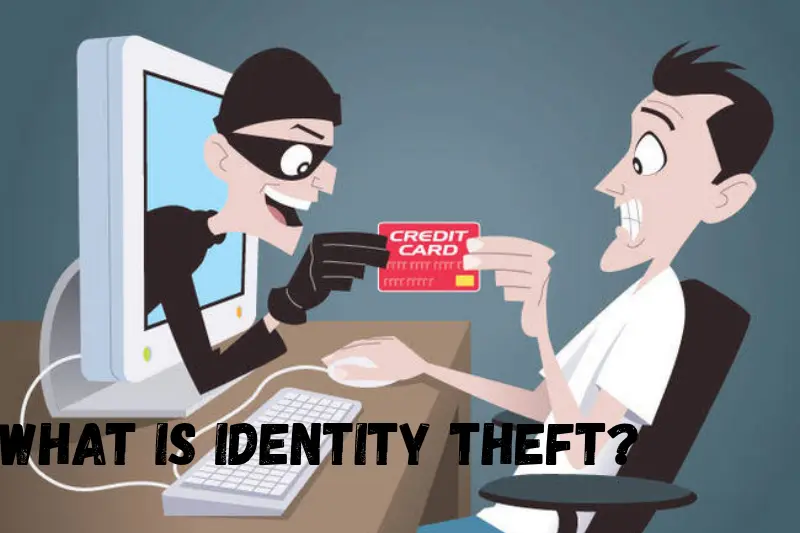
Identity theft occurs when someone uses another person’s personal information without permission, usually to gain money, access, services, or another benefit.
For example, a criminal might use stolen financial information to make purchases. Another person might use someone else’s identification details to open a new account or apply for credit.
Identity theft does not always involve stealing money immediately. Sometimes criminals collect personal information and use it later. This is why identity theft prevention is important even when your bank account appears normal.
Common Types of Identity Theft
Understanding the different types of identity theft helps you recognize what you need to protect.
- Financial identity theft: Someone uses your bank details, payment card information, or other financial records to access money or make unauthorized transactions.
- Credit identity theft: A criminal uses your personal information to apply for credit or open accounts in your name.
- Tax identity theft: Someone uses your tax identification details to submit a fraudulent tax return or claim a refund.
- Medical identity theft: A person uses your identity to obtain medical services, prescriptions, or insurance benefits.
- Child identity theft: Someone misuses a child’s personal information, sometimes before the child is old enough to apply for credit.
- Online account identity theft: A criminal gains access to your email, social media, shopping, or other online accounts and uses them to impersonate you.
Each type can create different problems. Protecting your identity therefore requires more than simply keeping your bank password private.
How Does Identity Theft Happen?
Identity thieves use different methods to collect personal information. Some rely on technology, while others take advantage of ordinary human behavior.
Phishing Emails and Text Messages
Phishing is a common method of stealing personal information. A criminal sends a message that appears to come from a bank, delivery company, government agency, or another trusted organization.
The message may claim that your account has a problem or that you must confirm your information urgently. It may contain a link to a fake website designed to collect passwords, payment details, or identification information.
A message can look convincing without being genuine. Never assume that a message is safe simply because it contains a familiar company name or logo.
Phone Scams and Impersonation
Criminals may call people while pretending to represent a bank, government office, technical support department, or another organization.
They might claim that your account is at risk and ask you to provide a password, verification code, or financial detail. Some callers create fear by threatening immediate consequences if you do not cooperate.
A genuine organization should not require you to reveal your account password or one-time verification code to an unexpected caller.
Data Breaches
A data breach occurs when information held by an organization is exposed, stolen, or accessed without authorization.
If a company experiences a breach, information such as names, email addresses, passwords, or financial details may become available to criminals.
You cannot personally prevent every data breach. However, you can reduce the damage by using unique passwords, enabling multifactor authentication, and responding carefully to breach notifications.
Weak Passwords and Reused Login Details
Using the same password across several accounts creates unnecessary risk. If one website is compromised, criminals may try the same login details on other services.
Weak passwords are also easier to guess. Names, birthdays, common words, and simple number patterns are poor choices for important accounts.
Lost Documents and Physical Theft
Identity theft can also happen offline. A lost wallet, stolen phone, misplaced identification document, or discarded financial statement may expose sensitive information.
Keeping documents secure and limiting the personal information you carry can reduce these risks.
12 Practical Identity Theft Prevention Tips
The following identity theft prevention tips focus on actions you can take at home, online, and while using everyday services.
1. Use Strong and Unique Passwords
Create a different password for every important account. A long, unique password is generally harder to guess than a short, predictable one.
Avoid using personal details such as your birthday, phone number, or family member’s name.
A password manager can help generate and store unique passwords securely. This makes it easier to protect many accounts without memorizing every password.
If you discover that a password has been exposed, change it immediately. If you reused it elsewhere, update those accounts too.
2. Enable Multifactor Authentication
Multifactor authentication adds another security step when you sign in. Depending on the service, this might involve an authenticator app, security key, or verification code.
Even if someone obtains your password, an additional security step can make it harder for them to access your account.
Enable this feature on your email, banking, social media, and other important accounts whenever it is available.
3. Never Share Verification Codes
A one-time verification code can help confirm that you are the person signing in. However, a criminal may try to trick you into sharing that code.
For example, someone might call and claim they need your code to cancel a suspicious transaction. The caller may actually be trying to access your account.
Never share a verification code with an unexpected caller or message sender. If you receive a code you did not request, check your account through its official app or website.
4. Protect Your Email Account
Your email account is especially important because it may be used to reset passwords for other services.
Use a unique password and multifactor authentication. Review the recovery email address and phone number associated with your account.
Check for unfamiliar sign-ins, forwarding rules, or changes to account settings. If you suspect someone has accessed your email, secure it immediately and review your other accounts.
5. Keep Your Devices Updated
Phones, computers, tablets, and other connected devices need regular security updates.
Updates often fix weaknesses that criminals may try to exploit. Turn on automatic updates where possible and install them promptly.
Use a screen lock on your phone and computer. Avoid installing applications from unknown sources, and remove apps you no longer use.
6. Recognize Suspicious Messages
Be cautious when a message creates urgency, threatens punishment, or promises an unexpected reward.
Before clicking a link or opening an attachment, ask yourself:
- Was I expecting this message?
- Does the sender’s address or number look correct?
- Is the message asking for sensitive information?
- Can I confirm the request through an official channel?
If a message claims to come from your bank, contact the bank using a trusted phone number or its official app. Do not rely on the contact details provided in the suspicious message.
7. Secure Your Personal Documents
Keep identification documents, financial statements, tax records, and other sensitive papers in a secure place.
Avoid carrying documents you do not need. If you no longer need a paper containing personal or financial information, destroy it securely before disposal.
Collect your mail regularly and pay attention to important documents that arrive unexpectedly or fail to arrive when expected.
8. Be Careful When Sharing Personal Information
Not every organization that asks for your personal information needs all of it.
Before providing sensitive details, ask why they are required, how they will be protected, and whether another form of identification is acceptable.
Be especially careful when sharing information through social media, online quizzes, surveys, or unfamiliar websites.
Information that appears harmless on its own can sometimes be combined with other details to impersonate you.
9. Protect Your Phone Number
Your phone number can be used for account verification and password recovery. This makes it an important part of your personal security.
Set a strong PIN or password on your phone. Contact your mobile provider if you notice unexpected service interruptions or account changes.
Ask your provider whether it offers additional protection against unauthorized SIM changes or account transfers.
10. Use Public Wi-Fi Carefully
Public Wi-Fi networks may not provide the same level of protection as a trusted private network.
Avoid accessing sensitive accounts through unfamiliar networks when possible. If you must use public Wi-Fi, make sure you are connecting to the correct network and use secure, updated applications.
A VPN can help protect some network traffic, but it does not make every website or message trustworthy. You still need to recognize phishing attempts and protect your passwords.
11. Monitor Your Financial Accounts
Review your bank and payment card statements regularly. Look for transactions you do not recognize, even if the amount is small.
Check your account activity through official apps or websites. Turn on transaction notifications if your financial institution offers them.
Report suspicious activity promptly. Early reporting may help limit further unauthorized transactions.
12. Review Your Credit Information
Credit reports may reveal accounts or applications that you did not authorize.
If credit reports are available in your country, review them periodically. Look for unfamiliar accounts, incorrect personal details, and applications you do not recognize.
In the United States, consumers can use the official free credit report service and contact the major credit bureaus about credit freezes or fraud alerts.
A credit freeze can help prevent new credit accounts from being opened using your information, but it does not prevent every type of identity theft.
How to Prevent Identity Theft Online
Online identity theft prevention starts with careful account management.
Use a trusted password manager, enable multifactor authentication, and keep your devices updated. Avoid saving sensitive information on shared computers, and sign out of accounts when using devices that other people can access.
When shopping online, check that you are using the correct website or application. Be cautious of unfamiliar sellers, unrealistic offers, and payment requests that seem unusual.
Review the privacy settings on your social media accounts. Limit public access to personal details such as your birthday, home address, travel plans, and information about your family.
Do not assume that a private message is safe simply because it comes from someone you know. If a friend or relative sends an unusual request for money or personal information, confirm it through another communication method.
How to Prevent Identity Theft Through Phone Calls and Texts
Phone-based scams often rely on fear, urgency, or trust. A caller may claim that your bank account has been compromised or that a government office needs immediate confirmation of your identity.
The safest response is to stop the conversation and verify the claim independently.
Do not provide passwords, PINs, or verification codes to unexpected callers. Avoid following instructions to install remote-access software or transfer money to a supposedly safe account.
If a caller claims to represent a company, end the call and contact the company through a trusted number. Caller ID alone is not reliable proof of identity.
Be careful with unexpected text messages too. A message may contain a link to a fake login page or a request to confirm personal details.
Identity Theft Prevention for Children and Families
Children can also become victims of identity theft. Their personal information may be used to create accounts or obtain services before they are old enough to understand what has happened.
Parents and guardians should keep children’s identification documents secure and share their information only when necessary.
Teach children not to share their full names, addresses, school details, passwords, or other sensitive information with strangers online.
Families should also discuss suspicious messages and explain that children can ask a trusted adult for help before responding to unexpected requests.
If you discover that a child’s information has been misused, contact the relevant financial institution or organization and ask about its identity theft procedures.
What Is the Difference Between a Credit Freeze and a Fraud Alert?
A credit freeze and a fraud alert are tools that can help protect against certain types of identity theft. They are not the same.
| Credit freeze | Fraud alert |
| Restricts access to your credit report for most new-credit applications | Tells lenders to take extra steps to verify your identity |
| Generally requires you to lift or remove it before applying for new credit | Does not block access to your credit report |
| Can help prevent new credit accounts from being opened using your information | Adds a warning that may help reduce fraudulent applications |
In the United States, both tools are available without charge through the credit bureaus. A credit freeze generally requires contacting each major bureau separately, while an initial fraud alert can be requested through one bureau.
These tools do not prevent criminals from using stolen information for every possible purpose. They should be combined with strong account security and regular monitoring.
Warning Signs of Identity Theft
Recognizing suspicious activity early can help reduce the damage caused by identity theft.
Watch for these warning signs:
- Transactions you did not make.
- Bills for accounts or services you never opened.
- Unexpected debt collection notices.
- Password reset messages you did not request.
- Changes to your account recovery information.
- Missing financial statements or important mail.
- Unfamiliar credit applications or accounts.
- Notifications about a data breach involving your information.
One unusual message does not always mean your identity has been stolen. However, it is worth checking unexpected account activity carefully.
What to Do If Your Identity Is Stolen
If you suspect identity theft, act quickly but avoid panicking. Focus first on protecting your accounts and stopping further misuse.
Step 1: Secure the Affected Accounts
Contact the bank, payment card company, or other organization involved. Report the suspicious activity and ask about freezing, closing, or securing the affected account.
Change the passwords for compromised accounts and any other accounts that use the same password.
Step 2: Report the Fraud
Use the appropriate reporting service in your country.
In the United States, IdentityTheft.gov provides a recovery process for people dealing with identity theft. You can also contact the relevant financial institution and credit bureaus.
Keep copies of reports, messages, and other evidence related to the incident.
Step 3: Review Your Financial and Credit Records
Check your bank statements, payment card activity, and credit information for other suspicious accounts or transactions.
If you find additional problems, report them to the relevant organizations.
Step 4: Keep a Record of Your Actions
Write down the dates of your calls, the names of the organizations you contacted, and any reference numbers they provide.
Keep copies of written communications and confirmation letters. These records can help you follow up if the problem continues.
Step 5: Continue Monitoring Your Accounts
Identity theft recovery may take time. Continue checking your financial and online accounts for suspicious activity.
Follow the instructions provided by your bank, credit bureau, or relevant government agency.
Frequently Asked Questions About Identity Theft Prevention
What is the best way to prevent identity theft?
There is no single method that prevents every type of identity theft. A strong approach combines unique passwords, multifactor authentication, careful sharing of personal information, secure documents, and regular account monitoring.
Can identity theft happen without my Social Security number?
Yes. Criminals may misuse other personal information, including your name, date of birth, phone number, financial details, or online account credentials.
A Social Security number is sensitive, but it is not the only information that can be used for identity theft.
Does a credit freeze prevent identity theft?
A credit freeze can help prevent new credit accounts from being opened using your information. It does not stop every type of fraud, such as unauthorized transactions on an existing account or misuse of your online accounts.
How often should I check my accounts?
Review your financial accounts regularly and check important account notifications as they arrive. You should also review your credit information periodically where credit reports are available.
The exact schedule depends on your accounts and the services available in your country.
Is identity theft protection software necessary?
Some identity protection services offer monitoring, alerts, or recovery assistance. These services may be useful, but they cannot prevent every form of identity theft.
You can take many important prevention steps yourself without paying for a subscription.
What should I do if I receive a suspicious message?
Do not click its links or provide personal information. Contact the organization through a trusted channel to verify whether the message is genuine.
If you already shared information, secure the affected account and contact the relevant organization promptly.
Can someone steal my identity through social media?
Yes. Public posts may reveal information that criminals can use to impersonate you or answer account recovery questions.
Review your privacy settings and avoid sharing sensitive personal details publicly.
Is identity theft prevention only important for adults?
No. Children, teenagers, and older adults can all be affected. Everyone should protect their personal information and know how to recognize suspicious requests.
Conclusion
Identity theft prevention is an ongoing habit, not a one-time task. Protecting your personal information requires attention to your online accounts, financial records, documents, and everyday communications.
Start with the most important steps: use unique passwords, enable multifactor authentication, keep your devices updated, and never share verification codes with unexpected callers. Review your financial activity regularly and respond quickly to suspicious changes.
You cannot control every data breach or scam attempt, but you can reduce your risk and make it harder for criminals to misuse your information.
By following these identity theft prevention practices consistently, you can build stronger personal security, protect your accounts, and respond more confidently if a problem occurs.
SEO note: The article uses the main keyword naturally in the title, introduction, headings, and relevant sections. A fixed “high” keyword density is not a reliable ranking target; repetitive keyword use can make content less helpful. The article is designed around reader usefulness rather than a keyword-density percentage.